Cat Surgery Services in Oxford, CT

At some point, most cats need surgery — whether it’s a routine spay or neuter or something more involved. At Cat’s Corner Veterinary Hospital in Oxford, CT, veterinary surgery for cats is performed in a sterile, dedicated suite under strict safety protocols, so your cat is in careful hands from the first exam through recovery.

Surgical Care, with Safety First

Surgery is stressful for any cat owner, and we never take it lightly. Cat’s Corner follows AAHA’s surgical safety guidelines for every procedure, from the most routine to the more complex, and our cat-only setting means your cat recovers away from the noise and stress of dogs. Most patients don’t need to stay overnight — for many procedures, we actually prefer that cats return home the same afternoon to recover in familiar, quiet surroundings. Before any surgery, we’ll walk you through the procedure, recovery, and what to expect, so you can make a confident decision for your cat.
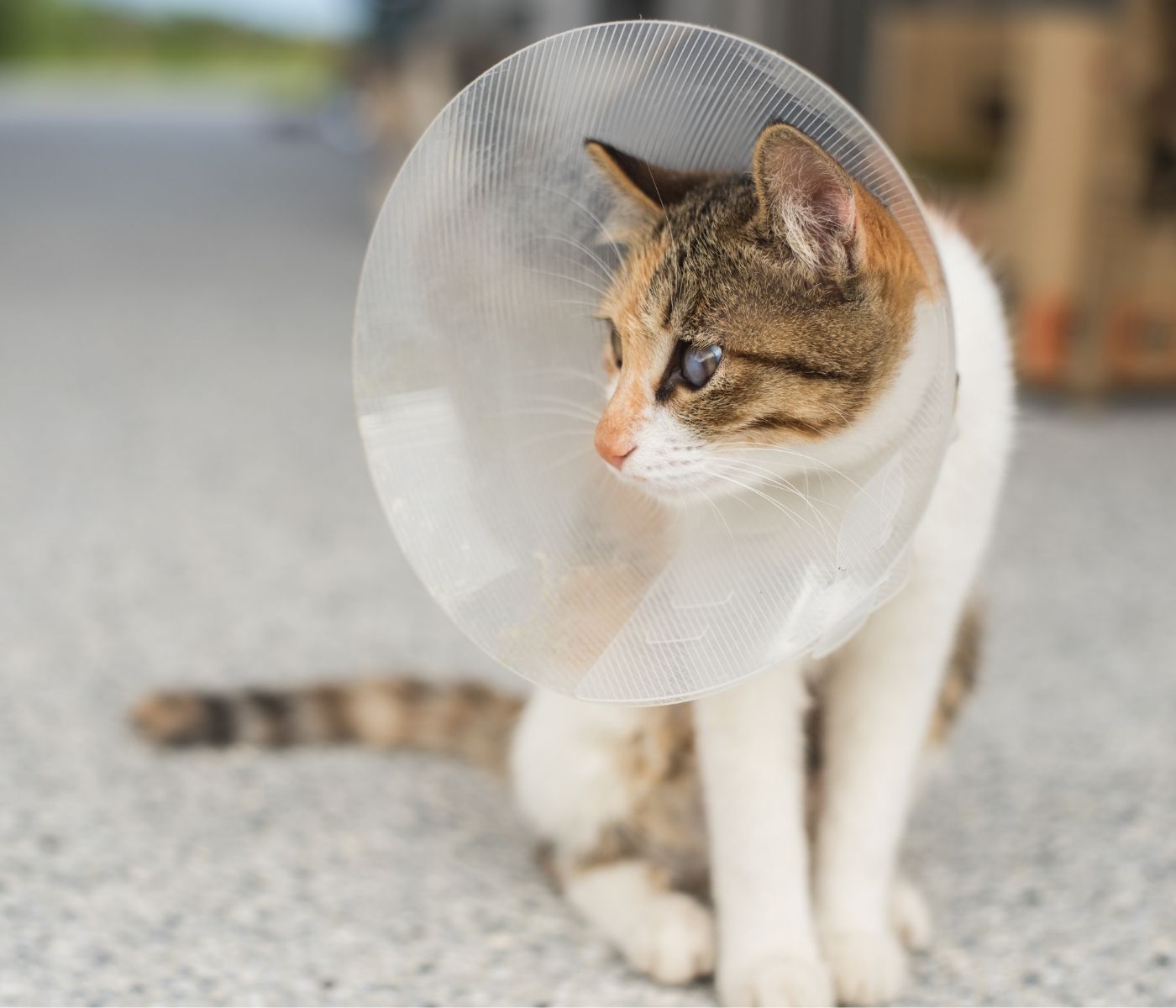
A calico cat wearing a clear plastic Elizabethan collar

Surgeries We Perform

From the procedures nearly every cat needs to less common surgical care, our team handles a wide range of operations — always with the same safety protocols and the same attention to your cat’s comfort.

Spay & Neuter

Spaying and neutering protect your cat’s long-term health and prevent unwanted litters. We also offer ovariectomy, a spay technique with a smaller incision and faster recovery than the traditional approach.

Soft-Tissue & Emergency Surgery

We perform bladder stone removal, mass and growth removal, biopsies, abscess care, and urgent procedures like emergency foreign body removal, along with surgical dental extractions.

How We Keep Your Cat Safe

Every surgery follows the same careful protocol, from pre-op testing to recovery.

Just as with dental procedures, we examine your cat and run pre-surgical bloodwork to check organ function before anesthesia. Surgery takes place in a sterilized suite with sterile instruments, and a certified technician monitors your cat the entire time. IV fluids maintain hydration and stable blood pressure, and your cat recovers on warming pads under close observation until they’re ready to go home.
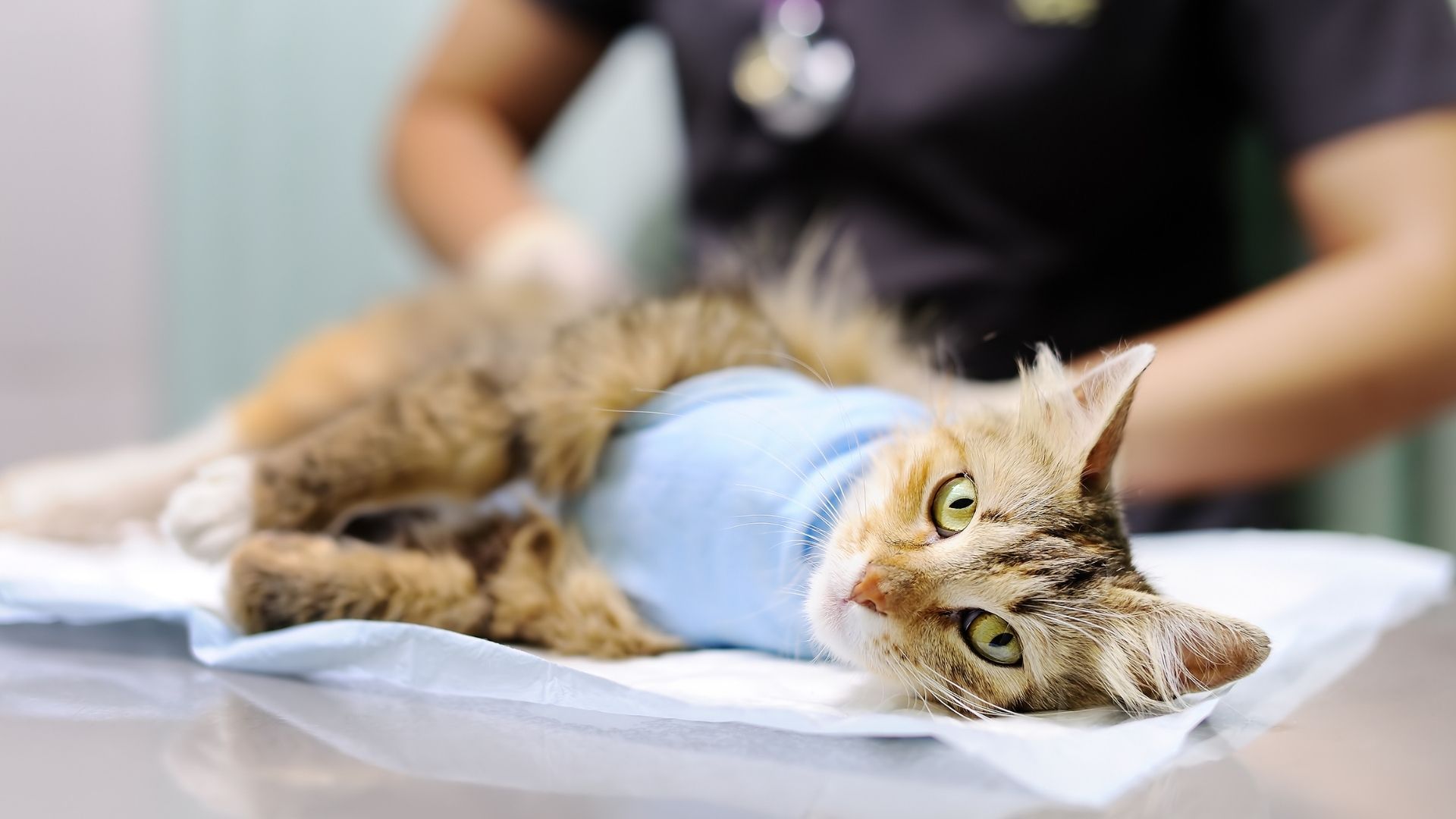
A cat with a light blue bandage around its torso lies on a medical examination table

Common Questions About Cat Surgery

Deciding on surgery for your cat naturally comes with questions about safety, recovery, and timing. Here are answers cat owners often ask about surgical care at Cat’s Corner Veterinary Hospital. For anything specific to your cat’s procedure, we’re glad to set up a consultation.
Is anesthesia safe for my cat's surgery?
K
L
No anesthesia is entirely without risk, but Cat's Corner takes extensive steps to keep your cat safe — including a pre-surgical exam, bloodwork to check organ function, IV fluids, and continuous monitoring by a certified technician throughout. We follow AAHA's surgical safety guidelines for every operation, routine or complex.
Will my cat have to stay overnight after surgery?
K
L
Usually not. For many procedures, we actually prefer that cats return home the same afternoon to recover in the calm and comfort of familiar surroundings. We'll call you with a discharge time once your cat has recovered, and review post-op instructions in person when you pick them up.
When should I have my cat spayed or neutered?
K
L
We can typically perform spay or neuter surgery once a kitten is around 18–20 weeks old, often about two weeks after their final distemper vaccine, though timing can vary with your cat's health and size. If a cat shows signs of illness beforehand, we postpone surgery and treat that first. Your veterinarian at Cat's Corner can advise on the right timing.
What is an ovariectomy, and how is it different from a spay?
K
L
At Cat's Corner, an ovariectomy removes only the ovaries rather than the ovaries and uterus. Widely used in Europe and shown to be just as effective as a traditional spay, it's less invasive, uses a smaller incision, and often means a faster, easier recovery for your cat.